367 Route 120 Suite B-3, Lebanon, NH 03766

What Happens If I Can’t Afford A Root Canal?

What Happens If I Can’t Afford A Root Canal?
What is a root canal treatment? A root canal treatment is a dental procedure in which a tooth’s pulp (the soft inner part) is removed, and the inside of the tooth is cleaned, disinfected, and sealed. This is done to save a tooth that has become infected or severely damaged. A dentist, an endodontist, or a root canal specialist typically
What is a root canal treatment?
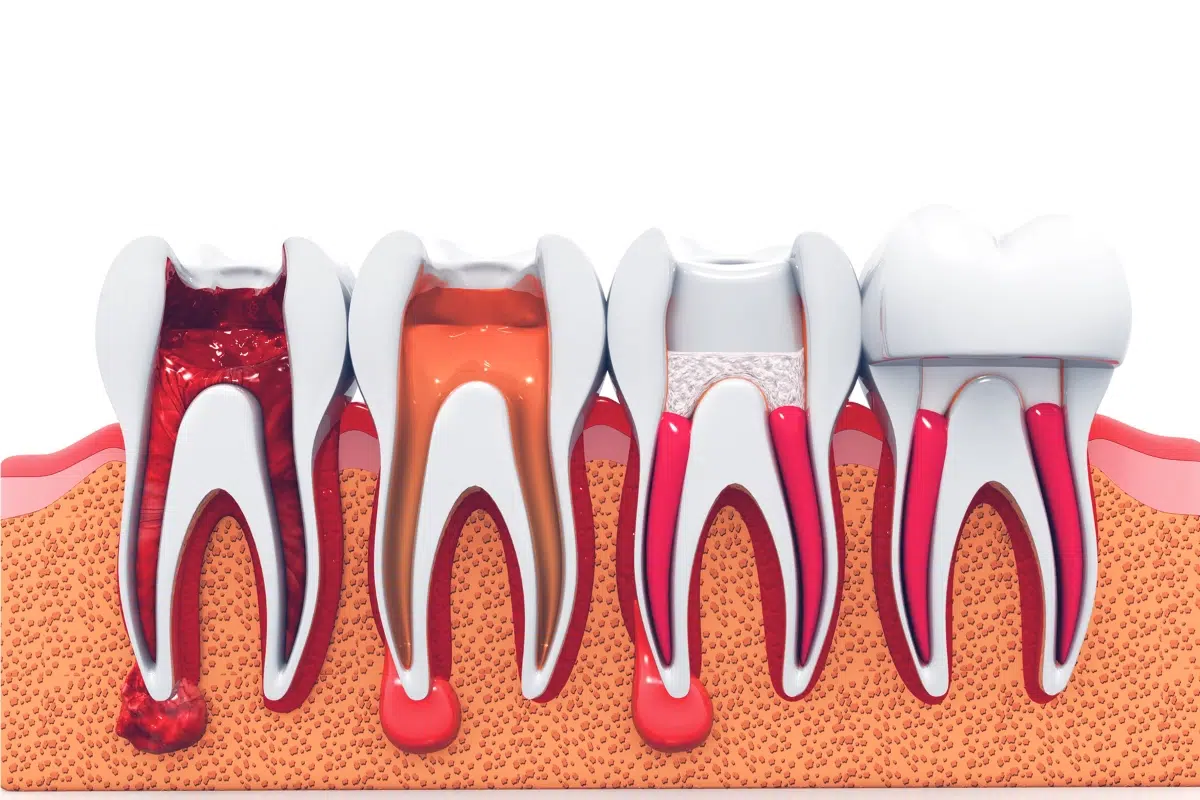
A root canal treatment is a dental procedure in which a tooth’s pulp (the soft inner part) is removed, and the inside of the tooth is cleaned, disinfected, and sealed. This is done to save a tooth that has become infected or severely damaged. A dentist, an endodontist, or a root canal specialist typically performs the procedure.
A tooth’s pulp contains blood vessels, nerves, and connective tissue. When the pulp becomes infected or inflamed, it can cause severe pain and, if left untreated, lead to the development of an abscess, a pocket of pus that can cause further damage to the tooth and surrounding bone.
The importance of getting a root canal treatment
Root canal treatment is crucial for maintaining good oral health and preventing complications. Removing the infected or damaged pulp helps eliminate the source of the pain and prevent the spread of the infection to other parts of the mouth or the body.
Without a root canal treatment, the infected or damaged tooth will continue to deteriorate, and the infection may spread to the surrounding tissues, potentially leading to more severe health issues. Sometimes, the only option may be to extract the tooth, which can be more costly and invasive.
Signs that you may need a root canal
Several signs may indicate the need for a root canal treatment, including:
- Severe, persistent toothache or pain when chewing or biting down
- Sensitivity to hot or cold temperatures that lingers even after the stimulus is removed
- Swelling or tenderness in the gums around the affected tooth
- Discoloration of the tooth, which may indicate that the pulp is dying or has already died
- An abscess (a pus-filled swelling) on the gum near the affected tooth
If you experience any of these symptoms, it is essential to schedule an appointment with your dentist or an endodontist as soon as possible to evaluate and treat the issue.
The process of a root canal treatment
The root canal treatment typically involves the following steps:
- Examination and Diagnosis: Your dentist or endodontist will examine your tooth and take X-rays to determine the extent of the damage or infection and develop a treatment plan.
- Anesthesia: The affected area will be numbed with a local anesthetic to ensure your comfort during the procedure.
- Pulp Removal: The dentist or endodontist creates an opening in the tooth and removes the infected or damaged pulp.
- Cleaning and Shaping: The inside of the tooth will be thoroughly cleaned, disinfected, and shaped to prepare it for the final restoration.
- Filling and Sealing: The empty root canals will be filled and sealed with a rubbery material called gutta-percha, and the tooth’s opening will be sealed with a temporary or permanent filling.
- Restoration: Depending on the extent of the damage, the tooth may require a crown or other restoration to protect it and restore its function.
The entire process typically takes one or more visits, depending on the complexity of the case.
Understanding the cost of a root canal treatment in Lebanon
The cost of a root canal treatment can vary depending on several factors, including:
- The location of the tooth (front teeth are generally less expensive than back teeth)
- The complexity of the case (some root canals are more complicated than others)
- The dentist or endodontist’s experience and location
- Whether the tooth requires additional restoration, such as a crown
Depending on these factors, the average cost of a root canal treatment can range from a few hundred to thousands of dollars or more. It’s important to discuss the price with your dentist or endodontist and understand what your dental insurance covers if you have any.
What to do if you can’t afford a root canal
If you are facing a root canal treatment but are concerned about the cost, there are several options you can explore:
- Speak with your dentist or endodontist: Discuss your financial situation with your dental care provider and see if they can offer a payment plan or suggest any alternatives that may be more affordable.
- Check your dental insurance coverage: Review your dental insurance policy to understand what is covered and what your out-of-pocket costs may be. Some insurance plans may cover a portion of the cost of a root canal treatment.
- Explore dental schools or clinics: Many dental schools and community health clinics offer affordable dental services performed by supervised dental students or residents, including root canal treatments.
- Look into dental discount plans: Some dental discount plans, which differ from traditional dental insurance, can provide discounts on specific procedures, including root canals.
- Apply for dental assistance programs: Depending on your financial situation, you may be eligible for dental assistance programs that can help cover the cost of a root canal treatment.
- Consider alternative treatment options: In some cases, an extraction may be more affordable than a root canal. However, this is generally not the preferred treatment choice as it can lead to other dental health issues.
Options for financing a root canal treatment
If you don’t have the funds to pay for a root canal treatment upfront, there are several financing options you can explore:
- Dental payment plans: Many dental practices offer in-house payment plans that allow you to pay for the treatment in manageable installments.
- Dental insurance: If you have dental insurance, review your coverage to understand what is included and how much of the cost the plan will cover.
- Dental financing companies: Several companies, such as CareCredit or Lending Club, specialize in providing dental financing. These companies may offer low-interest or interest-free payment plans.
- Personal loans: You can also consider taking out a personal loan from a bank, credit union, or online lender to cover the cost of the root canal treatment.
- Credit cards: Using a credit card with a low interest rate or a 0% introductory APR can be an option, but it’s essential to have a plan to pay off the balance as quickly as possible.
Seeking affordable alternatives to a root canal
Suppose you are unable to afford a root canal treatment. In that case, there may be some affordable alternatives you can consider, such as:
- Tooth extraction: While not the preferred option, extracting the affected tooth may be a more affordable alternative to a root canal. However, this can lead to other dental health issues, such as the need for a dental implant or bridge.
- Dental schools or clinics: As mentioned earlier, many dental schools and community health clinics offer affordable dental services, including tooth extractions, which may be a more budget-friendly option.
- Dental discount plans: Some dental discount plans can provide discounts on tooth extractions, which may be a more affordable alternative to a root canal.
- Dental assistance programs: Depending on your financial situation, you may be eligible for dental assistance programs that can help cover the cost of tooth extractions or other affordable treatment options.
The potential consequences of not getting a root canal
Suppose you cannot afford a root canal treatment and forego the procedure. In that case, there can be severe consequences for your oral and overall health. These include:
- Continued pain and discomfort: The infection or damage in the tooth will continue to worsen, leading to persistent pain and discomfort.
- Spread of infection: The infection can spread to other parts of the mouth, potentially leading to more severe health issues, such as an abscess or sepsis.
- Loss of the tooth: Without treatment, the tooth will eventually need to be extracted, leading to further dental health problems, such as needing a dental implant or bridge.
- Difficulty eating and speaking: The tooth loss can make it difficult to chew properly and affect your ability to speak clearly.
- Negative impact on overall health: Untreated dental infections can hurt your health, as the bacteria can enter the bloodstream and affect other body parts.
Conclusion: Taking care of your oral health on a budget
While the cost of a root canal treatment can be a significant financial burden, it’s essential to prioritize your oral health and seek treatment as soon as possible. By exploring affordable options, such as payment plans, dental financing, or alternative therapies, you can find a solution that fits your budget and helps you maintain a healthy, functional smile.
Remember, neglecting a dental issue can lead to more serious and costly problems later on. By taking proactive steps to address your oral health needs, you can avoid the potential consequences of not getting a root canal and maintain your overall well-being.