367 Route 120 Suite B-3, Lebanon, NH 03766

How Much Does a Root Canal Work Cost?


How Much Does a Root Canal Work Cost?
Understanding root canal treatment Root canal treatment, or endodontic therapy, is a dental procedure that involves removing the infected or inflamed pulp from the inside of a tooth. The pulp is a soft tissue located at the center of the tooth, containing nerves and blood vessels that supply nutrients to the tooth. When the pulp becomes damaged due to decay,
Understanding root canal treatment
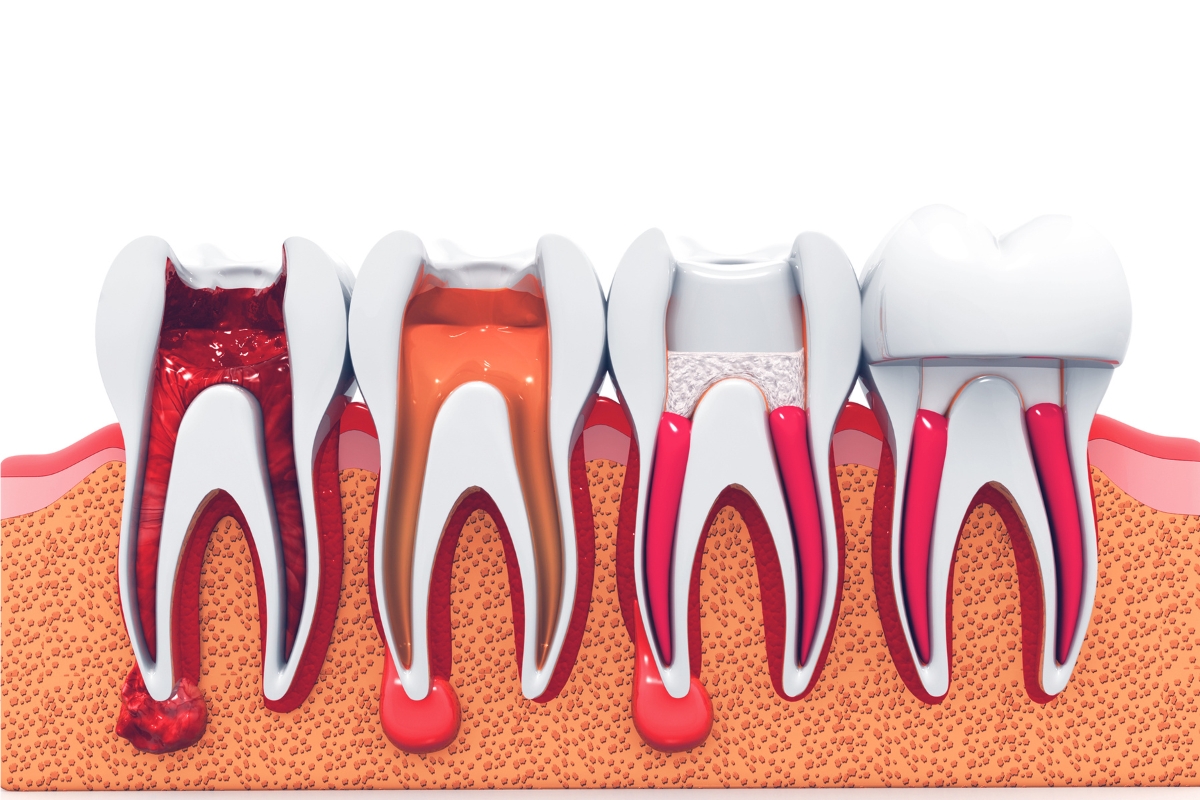
Root canal treatment, or endodontic therapy, is a dental procedure that involves removing the infected or inflamed pulp from the inside of a tooth. The pulp is a soft tissue located at the center of the tooth, containing nerves and blood vessels that supply nutrients to the tooth. When the pulp becomes damaged due to decay, trauma, or other factors, it can lead to severe pain, infection, and potentially the loss of the tooth.
Root canal treatment aims to save the natural tooth by removing the infected or inflamed pulp, cleaning and disinfecting the inside, and sealing it with a permanent filling material. This procedure is essential to prevent further infection and preserve the tooth’s structure, allowing you to maintain your natural smile and avoid needing more extensive dental work, such as tooth extraction and replacement with a dental implant or bridge.
During the root canal procedure, your dentist or endodontist (a specialist in root canal treatment) will numb the area around the affected tooth to ensure your comfort. They will then create an opening in the tooth to access the pulp chamber and root canals.
They will carefully remove the infected or inflamed pulp using specialized instruments and thoroughly clean and disinfect the inside of the tooth. Once the tooth is prepared, it will be sealed with a temporary or permanent filling material to prevent future infection and protect the remaining tooth structure.
Causes and symptoms of root canal issues
There are several reasons why you might need root canal treatment. The most common causes include:
- Deep tooth decay: When decay penetrates through the complex outer layers of the tooth (enamel and dentin) and reaches the pulp, it can cause inflammation and infection.
- Cracked or fractured tooth: A crack or fracture in the tooth can allow bacteria to enter and infect the pulp.
- Trauma or injury: A traumatic injury to the tooth, such as a blow to the mouth, can damage the pulp and lead to inflammation or infection.
- Repeated dental procedures: Multiple dental procedures on the same tooth can potentially damage or irritate the pulp.
The symptoms of a root canal issue can vary, but some common signs include:
- Severe, persistent toothache or pain that worsens when biting down
- Sensitivity to hot or cold temperatures
- Swelling or tenderness in the gums near the affected tooth
- Discoloration of the tooth
- Abscess (pus-filled pocket) on the gums near the affected tooth
If you experience these symptoms, seeking prompt dental attention is essential to prevent further complications and potentially save the affected tooth.
The importance of root canal treatment
Root canal treatment is crucial for several reasons:
- Pain relief: Root canal treatment can effectively alleviate the severe pain and discomfort associated with a damaged tooth by removing the infected or inflamed pulp.
- Infection prevention: If left untreated, an infected tooth can spread infection to other body parts, potentially causing more severe health issues.
- Tooth preservation: Root canal treatment allows you to keep your natural tooth, often preferred over tooth extraction and replacement with a dental implant or bridge.
- Improved oral health: Treating an infected tooth can help prevent further dental problems and maintain oral health.
- Cost-effectiveness: While root canal treatment may seem expensive initially, it is generally more cost-effective in the long run than tooth extraction and replacement.
Root canal treatment addresses the root cause of the problem. It preserves the natural tooth, helping you maintain a healthy, functional, and aesthetically pleasing smile for years.
Factors that affect the cost of root canal work
The cost of root canal treatment can vary depending on several factors. Here are some of the critical considerations that can influence the overall cost:
- Location of the tooth: Front teeth typically have a single root and are less complex to treat. In contrast, molars and premolars have multiple roots and can be more challenging, potentially increasing costs.
- Complexity of the procedure: If the root canal system is particularly curved, narrow, or calcified, it may require more time and specialized techniques, leading to higher costs.
- Additional procedures: In some cases, additional procedures may be necessary, such as retreatment (redoing a previous root canal), apicoectomy (surgical removal of the root tip), or buildup and crown placement after the root canal is completed. These additional procedures can significantly increase the overall cost.
- Experience and expertise of the dentist: Dentists or endodontists with more specialized training and experience in root canal treatment may charge higher fees for their services.
- Geographic location: The cost of dental care, including root canal treatment, can vary significantly depending on the region or city where the procedure is performed.
- Type of dental practice: The fees at private dental clinics may be higher than those at dental schools or community health centers.
It’s important to discuss the estimated cost with your dentist or endodontist before proceeding with the treatment. They should provide a detailed breakdown of the fees, including any potential additional procedures or complications that may arise.
Ways to save money on root canal treatment
While root canal treatment can be a significant expense, there are several ways to save money on the procedure potentially:
- Dental insurance: If you have dental insurance, check your coverage for root canal treatment. Many insurance plans cover a portion of the cost, which can help reduce your out-of-pocket expenses.
- Dental schools often offer root canal treatment at a discounted rate. Dental students perform the procedures under the supervision of experienced faculty members.
- Community health centers: Some community health centers or clinics may offer root canal treatment at a lower cost for those who qualify based on income or other criteria.
- Payment plans: Many dental practices offer flexible payment plans or financing options that can help spread out the cost of root canal treatment over time, making it more manageable.
- Shop around: Don’t be afraid to get quotes from multiple dental practices in your area to compare costs and find the most affordable option without compromising on quality.
- Preventive care: Good oral hygiene and regular dental check-ups help prevent or catch dental issues early, potentially avoiding the need for more expensive treatments like root canal therapy.
Remember, while cost is an important consideration, it’s essential to prioritize quality care and choose a reputable and experienced dentist or endodontist to ensure the best possible outcome for your root canal treatment.
Insurance coverage for root canal treatment
Dental insurance can be a valuable asset when covering the cost of root canal treatment. However, the extent of coverage can vary depending on your specific insurance plan and provider.
Here are some general guidelines regarding insurance coverage for root canal treatment:
- Basic dental plans: Most basic dental insurance plans typically cover a portion of the cost of root canal treatment, ranging from 50% to 80% of the total cost.
- Deductibles and copays: Before your insurance coverage kicks in, you may need to meet an annual deductible and be responsible for a copayment or coinsurance percentage of the total cost.
- Annual maximums: Many dental insurance plans have an annual maximum benefit amount, the maximum amount the insurance company will pay for covered services in a given year. Once you reach this maximum, you will be responsible for paying the total cost of any additional treatments.
- In-network vs. out-of-network providers: If you receive root canal treatment from a dentist or endodontist in your insurance provider’s network, you may receive higher coverage and lower out-of-pocket costs than seeking treatment from an out-of-network provider.
- Pre-authorization or pre-determination: Some insurance plans may require pre-authorization or a pre-determination of benefits before covering root canal treatment. This process involves submitting treatment plans and cost estimates to the insurance company for approval before proceeding.
It’s essential to review your specific dental insurance plan details and contact your insurance provider to understand the extent of coverage for root canal treatment. They can provide information on deductibles, copays, annual maximums, and other limitations or requirements.
Also, discuss the estimated costs and insurance coverage with your dentist or endodontist before treating the root canal. They can often assist in submitting the necessary paperwork and claims to your insurance provider.
Finding a reputable dentist for root canal work in Lebanon
Choosing the right dentist or endodontist for your root canal treatment is crucial to ensure a successful outcome and a positive overall experience. Here are some tips to help you find a reputable dental professional for root canal work in Lebanon:
- Ask for recommendations from friends, family members, or other healthcare professionals you trust. Word-of-mouth referrals can be invaluable when finding a skilled and reliable dentist or endodontist.
- Check credentials and experience: Look for dental professionals with the qualifications, training, and experience performing root canal treatments. Endodontists are specialists who have received advanced training, specifically in root canal procedures.
- Research online reviews: Read reviews and ratings from previous patients to get an idea of the dentist’s or endodontist’s level of expertise, bedside manner, and overall patient satisfaction.
- Consider the dental practice’s location and accessibility: Choose a dental practice that is conveniently located and easily accessible, as you may need to attend multiple appointments for root canal treatment.
- Evaluate the dental practice’s technology and equipment: Modern dental practices should have up-to-date technology and specialized equipment for performing root canal treatments efficiently and precisely.
- Inquire about sterilization and infection control protocols: A reputable dental practice should follow strict sterilization and infection control protocols to ensure patient safety and prevent the spread of diseases.
- Schedule a consultation: Many dental practices offer free consultations or evaluations, which can be an excellent opportunity to meet the dentist or endodontist, ask questions, and understand their approach and communication style.
- Consider the overall patient experience: Pay attention to the staff’s friendliness and professionalism, the dental office’s cleanliness and comfort, and the dentist’s or endodontist’s ability to explain the procedure and address your concerns.
By researching and considering these factors, you can increase your chances of finding a skilled and trustworthy dental professional who can provide high-quality root canal treatment in Lebanon.
Alternatives to root canal treatment
While root canal treatment is often the preferred option for saving a damaged or infected tooth, there may be situations where alternatives are considered. Here are some potential options for root canal treatment:
- Tooth extraction and replacement: Extraction may be necessary if the tooth is severely damaged or the root canal treatment is unsuccessful. The extracted tooth can be replaced with a dental implant, bridge, or partial denture.
- Apicoectomy (root-end surgery): In some cases, if a root canal treatment is unsuccessful or the infection persists, an apicoectomy may be recommended. This surgical procedure involves removing the tip of the tooth’s root and sealing it with a filling material.
- Intentional replantation: In certain situations, the entire tooth may be extracted, the root canal treated, and the tooth replanted back into the socket. This alternative is typically considered for complex cases where conventional root canal treatment is not feasible.
- No treatment: In some instances, particularly for teeth that are not causing significant pain or discomfort and where the risk of infection spreading is low, a patient may choose to forgo any treatment and monitor the situation closely.
It’s important to note that these alternatives may not be suitable or recommended in all cases, and they may have their own set of risks, complications, and costs associated with them. Some alternatives, such as tooth extraction and a dental implant or bridge replacement, can be more expensive and invasive than root canal treatment.
Your dentist or endodontist will evaluate your specific situation and discuss the potential alternatives, weighing the pros and cons of each option to help you make an informed decision about the best course of action.
Conclusion and final thoughts
Root canal treatment is a crucial dental procedure that can alleviate pain, prevent the spread of infection, and save your natural tooth from extraction. While the cost of root canal treatment in Lebanon can vary depending on various factors, it is generally more cost-effective than tooth extraction and replacement with a dental implant or bridge.
By understanding the factors that affect the cost of root canal work, exploring ways to save money, and utilizing dental insurance coverage, you can make informed decisions about your dental care and budget accordingly.